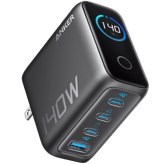
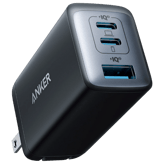
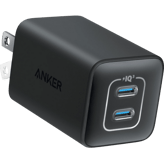
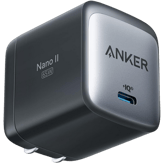
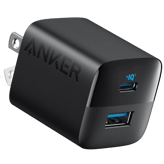
Anker 511 vs Anker 711: 118 Highlights & 47 Differences — So, Which Charger Actually Works Better
Find out who wins on portability, warranty, and value for everyday charging. Choosing the better charger? This comparison shows Anker 511 vs Anker 711 side by side — from usb-c ports, cable length, interchangeable plugs & weight to what users love.
 Supermod
 Moderator

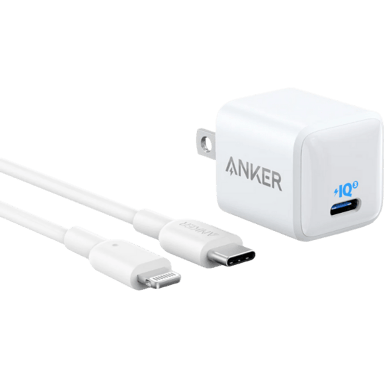
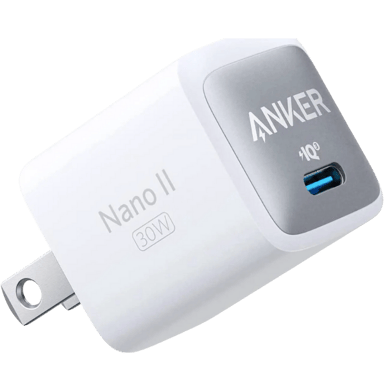
Highlights 154
No extras. Just what matters.Why is Anker 511 better than Anker 711 ?
 Recaptor
Anker 711 Vs Anker 511: Which Compact Charger Reigns Supreme?
When it comes to portable charging solutions, the Anker 711 and Anker 511 both deliver solid performance packed in pocket-friendly sizes. Both chargers employ GaN-based technology, ensuring efficient power delivery and heat management while featuring universal compatibility across many devices, including tablets.
Yet despite sharing reliable safety protocols and sleek, plastic housings built with heat-resistant materials, these two adapters diverge significantly in power output, size, warranty, and user conveniences. The Anker 711 touts a robust 30W maximum output suitable for laptop charging, while the Anker 511's capped 20W output limits it to smaller gadgets. Their compact form factors make both excellent for travel, but their sizes and features still warrant a closer look.
Powerhouse Performance and Durable Design: The Anker 711 Advantage
The Anker 711 charger stands out immediately for delivering more wattage at a peak of 30 watts, powering laptops and larger devices effortlessly. Unlike its competitor, it supports laptop charging, making it a versatile choice for users needing more juice on the go. This charger also excels in portability with a significantly smaller footprint of 1.24" height by 1.08" width and a lighter weight of just 0.08 lbs. Even its cable length is minimized to just over a foot, ideal for tucking away in bags. Built to withstand bumps, it boasts a drop resistance rating of 3, enhancing durability for rougher handling, unlike the Anker 511, which lacks this rating.
Another remarkable feature is its clear thermal throttling threshold at 158°F, providing users insight into its thermal limits, paired with a stable temperature rise and zero detected noise during operation. Safety isn't compromised either, as it comes with multi-layer redundancy protections, fire prevention, and fast reaction to faults. If you prioritize power output, pocket-friendly size, and resilience, the Anker 711 is compelling.
Efficient, Affordable, and User-Friendly: The Perks of Anker 511
While the Anker 511 doesn't push as much power, capping at 20W and lacking laptop charging support, it holds its own through clever user-friendly design and thermal performance. Its high heat management efficiency eases worries of overheating or performance throttle during extended use. Additionally, it features an idle standby mode that conserves energy when not actively charging - a thoughtful efficiency aspect missing from the Anker 711.
Usability shines with its integrated cable management, making cable storage tidy and hassle-free, a feature absent in the Anker 711. Its slightly bulkier dimensions (1.8" H x 1.9" W) and weight of 0.15 lbs translate into a marginally less pocketable device, but it doesn't compromise on travel friendliness. Sustainability-wise, it scores higher on material sustainability, appealing to environmentally conscious users.
Warranty is an area where the Anker 511 impresses further, offering a longer coverage stretch from 18 months up to five years compared to the 18-month warranty on the Anker 711. This extended support gives budget-conscious buyers additional peace of mind. Currently, the Anker 511 is available for just around $24.99 at Amazon.com, making it a great value pick.
Quick Take
The Anker 711 shines with its superior 30W power output, laptop charging ability, and compact durability, perfect for users needing strong, portable charging. Meanwhile, the Anker 511 offers excellent thermal management, integrated cable organization, and a wallet-friendly price with a longer warranty scheme, making it ideal for daily device charging without the need for maximum power.
Bottom Line Recommendation
If your priority is versatile charging with a smaller, sturdier charger capable of handling laptops and providing crisp thermal performance, the Anker 711 emerges as the better overall choice. However, for those who prefer a slightly bigger charger boasting better heat efficiency, cable management convenience, and an enticingly low price point backed by a robust warranty, the Anker 511 remains a worthy contender. Both are reliable, but your usage needs and budget should guide the final pick.
Verdict
- Winner: Anker 711 - Delivers higher power output with laptop compatibility, superior portability, and extra durability features.
- Runner-up: Anker 511 - Offers efficient thermal management, useful cable management, longer warranty options, and a more attractive price.
Comparisons 9
Two enter. One leaves your cart.Price comparisons
Anker 511
Anker 711
Related comparisons 9
Because one duel is never enough. 0
Cartling
0
Cartling
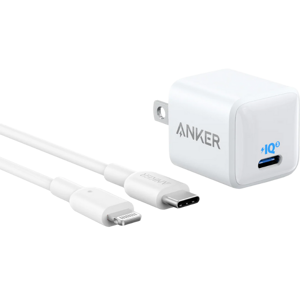
 0
Cartling
0
Cartling
 0
Cartling
0
Cartling
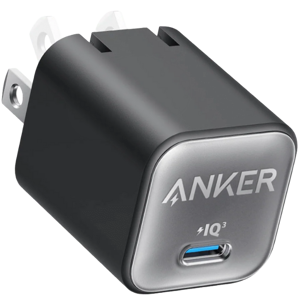
Comparisons & Facts 154
Side by side. The numbers. The features. No drama.This side-by-side chargers review of Anker 511 vs Anker 711 is packed with useful info — specs, standout features, and real user takes.
General Information 15

Charging Technology
What charging technology does it use?
58 Anker 511 0 Votes Standard Charging, Fast Charging, GaN
86 Anker 711 0 Votes GaN

vs

Charging Technology
The Charging Technology for Anker 511 Charger includes Standard Charging, Fast Charging, and GaN, while Anker 711 features only GaN charging technology. Anker 511 Charger offers a wider range of charging technologies.
Indicates the core technology used to deliver power efficiently.

Release Year
What year was this charger released?
55 Anker 511 0 Votes 2020
74 Anker 711 0 Votes 2022
vs
Release Year
The Release Year for Anker 511 Charger is 2020 and for Anker 711 is 2022, so Anker 711 is the more recent model.
The year the charger model was first released to market.
User Level
What user level is this charger designed for?
15 Anker 511 0 Votes Beginner
16 Anker 711 1 Votes Beginner
vs
User Level
The User Level for both Anker 511 Charger and Anker 711 is Beginner, indicating they are both suitable for novice users.
Describes the technical experience level required to use the charger effectively.

Both are beginner friendly but I lean towards Anker 711 since it feels a bit more modern.
Power Source
What is the power source?
65 Anker 511 0 Votes AC Outlet
86 Anker 711 0 Votes AC Outlet
Anker 511
The charger draws power from a standard AC outlet, the most common power source for such devices.
Defines where the charger draws its power from.
Installation Type
How is the charger installed?
35 Anker 511 0 Votes Plug-In
46 Anker 711 0 Votes Plug-In
Anker 511
Installation type is plug-in, so the charger can be simply plugged into an outlet without permanent installation.
Describes how the charger is installed or connected.
Regulatory Region
Which regulatory regions does it support?
70 Anker 511 0 Votes US, EU, UK, Global
76 Anker 711 0 Votes Global
Anker 511
It is regulated and compliant across multiple regions including US, EU, UK, and Global markets, ensuring safety and compatibility.
Indicates the regions where the charger meets regulatory standards.
Product Name
What is the product name?
77 Anker 511 0 Votes Anker 511 Charger
67 Anker 711 0 Votes Anker 711
vs
Product Name
The Product Name for Anker 511 Charger is 'Anker 511 Charger ' and for Anker 711 is 'Anker 711'. The Anker 511 Charger has a more descriptive name, which may help identify it more specifically.
Official product name used to identify the charger model.
Charger Type
What type of charger is this?
45 Anker 511 0 Votes Wall Charger
36 Anker 711 0 Votes Wall Charger
Defines the primary charger category based on form and usage.
Intended Use
What is the intended use of this charger?
70 Anker 511 0 Votes Home, Office, Travel
76 Anker 711 0 Votes Home, Office, Travel
Describes where and how the charger is primarily intended to be used.
Device Compatibility
What devices are compatible with this charger?
67 Anker 511 0 Votes Smartphone, Tablet, Accessory
76 Anker 711 0 Votes Smartphone, Tablet, Laptop, Accessory
Indicates the types of devices the charger can power.
Compatibility Notes
Are compatibility notes clearly provided?
Yes 0 Votes Anker 511
No
0
Votes
Anker 711
Indicates whether additional compatibility limitations or requirements are clearly disclosed.
Mounting Style
What is the mounting style?
30 Anker 511 0 Votes Wall-Mounted, Desktop
66 Anker 711 0 Votes Wall-Mounted
Indicates how the charger is physically positioned during use.
Electrical & Power 19
Short Circuit Protection
Does it have short circuit protection?
Yes 0 Votes Anker 511
Yes 0 Votes Anker 711
vs
Short Circuit Protection
Both Anker 511 Charger and Anker 711 include Short Circuit Protection, providing safety against electrical faults.
Automatically shuts down power if a short circuit is detected.
Output Current
What is the output current?
Anker 511
Output current of 5 A enables fast charging for compatible devices by supplying sufficient current.
Anker 711
Output current capability is 3 amperes, matching USB-C Power Delivery charging requirements for faster device charging.
The maximum current delivered to devices for charging.
Standby Power Consumption
How much power is used on standby?
Anker 511
Standby power consumption is very low at 0.011 Watt, contributing to energy savings when the charger is plugged in but not actively charging.
Anker 711
Standby power consumption is only 0.1 Watt, making it highly efficient when idle.
Power consumed when the charger is plugged in but not actively charging.
Input Current
How much input current does it draw?
vs
Input Current
The Input Current for Anker 511 Charger is 1.5 Amps while for Anker 711 it is 1 Amp, showing that Anker 511 Charger draws more input current.
The amount of current drawn from the power source during operation.
The higher input current on Anker 511 makes me think it could be better for quick charging.
Minimum Output Power
What is the minimum output power?
Anker 711
The minimum output power is 5 Watt, sufficient for charging smaller devices or maintaining device battery levels.
The lowest stable power output supported by the charger.
Ripple & Noise
How much ripple and noise is present?
95 Anker 511 0 Votes Low
96 Anker 711 0 Votes Low
Anker 511
The charger maintains low ripple and noise, which helps provide stable, clean power to devices for efficient charging.
Indicates the level of electrical noise present in the output.
Peak Power Handling
What peak power can it handle?
vs
Peak Power Handling
The Peak Power Handling is 20 Watts for Anker 511 Charger and 30 Watts for Anker 711, meaning Anker 711 supports higher peak power.
The maximum short-term power the charger can safely handle.
Maximum Output Power
What is the maximum output power?
vs
Maximum Output Power
The Maximum Output Power is 20 Watts for Anker 511 Charger and 30 Watts for Anker 711, so Anker 711 provides higher power output.
The highest total power the charger can deliver to connected devices.
The Anker 711's higher max power output really catches my eye it's just more powerful for sure.
Input Voltage
What input voltage does it support?
The voltage range required from the power source to operate safely.
Input Frequency
What input frequency is supported?
The electrical frequency range the charger can accept.
Output Voltage
What is the output voltage?
vs
Output Voltage
The Output Voltage is 5 Volts for both Anker 511 Charger and Anker 711, indicating consistent voltage output in both models.
The voltage supplied to connected devices during charging.
Power Efficiency
How efficient is the charger?
95 Anker 511 0 Votes High
96 Anker 711 0 Votes High
Indicates how effectively input power is converted into usable output power.
Charging Performance 14
Heat Management Efficiency
How efficient is heat management?
95 Anker 511 1 Votes High
46 Anker 711 0 Votes Medium
vs
Heat Management Efficiency
Anker 511 Charger has High Heat Management Efficiency, while Anker 711 has Medium efficiency, indicating better heat control in Anker 511 Charger.
Measures how effectively heat is managed during charging.
Anker 511 has better heat management efficiency so it probably stays cooler during use.

Power Distribution Method
How is power distributed?
0 Anker 511 0 Votes Fixed
16 Anker 711 0 Votes Fixed
vs
Power Distribution Method
The Power Distribution Method for both Anker 511 Charger and Anker 711 is Fixed, meaning they deliver power in a constant manner.
Describes how power is allocated across multiple ports.

Idle Charging Behavior
What happens after charging is complete?
65 Anker 511 0 Votes Standby
36 Anker 711 0 Votes No
vs
Idle Charging Behavior
The Idle Charging Behavior of Anker 511 Charger is Standby, whereas Anker 711 does not have idle charging behavior. Anker 511 Charger may conserve power when idle.
Describes behavior when a device is fully charged but still connected.
Maximum Charging Speed
What is the maximum charging speed?
Anker 711
Maximum charging speed is 30 Watt, suitable for most rapid charging needs of modern devices.
The highest charging power delivered to a single device.
Simultaneous Device Charging
How many devices can be charged simultaneously?
5 Anker 511 0 Votes 1
Who knows? 0 Votes Anker 711
vs
Simultaneous Device Charging
Anker 511 Charger supports charging one device simultaneously, while Anker 711 does not provide information on simultaneous device charging. Anker 511 Charger has clearer single-device charging support.
The maximum number of devices that can be charged at the same time.
Charging Stability
How stable is the charging performance?
35 Anker 511 0 Votes Stable
46 Anker 711 0 Votes Stable
Anker 511
Charging stability is high, which means the device provides consistent output without fluctuations.
Reflects how consistent charging output remains over time.
Charging Speed
What is the charging speed category?
55 Anker 511 0 Votes Fast
56 Anker 711 0 Votes Fast
Classifies overall charging speed based on supported power and protocols.
Intelligent Power Allocation
Does it allocate power intelligently?
No
0
Votes
Anker 511
No
0
Votes
Anker 711
Automatically adjusts power delivery based on connected devices.
Throttling Behavior
How does the charger throttle performance?
95 Anker 511 0 Votes Gradual
96 Anker 711 0 Votes Gradual
Describes how charging speed is reduced when limits are reached.
Full Charge Time Estimate
How long does a full charge take?
Who knows? 0 Votes Anker 511
81 Anker 711 0 Votes ~1.5 hr (phone)
Estimated time required to fully charge a typical device.
Charging Consistency
Is charging speed consistent?
95 Anker 511 0 Votes Consistent
96 Anker 711 0 Votes Consistent
vs
Charging Consistency
Both Anker 511 Charger and Anker 711 have Consistent Charging Consistency, ensuring stable performance during charging.
Indicates how evenly charging speed is maintained throughout a session.
Adaptive Charging
Does it support adaptive charging?
Yes 0 Votes Anker 511
Yes 0 Votes Anker 711
Adjusts charging patterns based on device needs and conditions.
Ports & Connectivity 17
Cable Length
How long is the charging cable?
vs
Cable Length
The Cable Length is 3 feet for Anker 511 Charger and 1.09 feet for Anker 711, so Anker 511 Charger offers a longer cable.
Length of the included charging cable.
The longer cable length on Anker 511 is super convenient for me at my desk setup.

USB-C Ports
How many USB-C ports does it have?
53 Anker 511 0 Votes 1
35 Anker 711 0 Votes 1
vs
USB-C Ports
Both Anker 511 Charger and Anker 711 include 1 USB-C port, providing standard connectivity options.
Number of USB-C output ports for modern devices.

Interchangeable Plugs
Does it support interchangeable plugs?
No
0
Votes
Anker 511
No
0
Votes
Anker 711
vs
Interchangeable Plugs
Both Anker 511 Charger and Anker 711 do not have Interchangeable Plugs, so plug types are fixed.
Supports interchangeable plug heads for different regions.
USB-A Ports
How many USB-A ports are included?
3 Anker 511 0 Votes 0
Who knows? 0 Votes Anker 711
vs
USB-A Ports
Anker 511 Charger has no USB-A ports, and Anker 711 does not have this data available. Only Anker 511 explicitly lacks USB-A ports.
Number of traditional USB-A output ports.
Connector Type
What connector types are supported?
85 Anker 511 0 Votes USB-C
86 Anker 711 0 Votes USB-C
Anker 511
The connector type is USB-C, currently the prevalent standard for efficient data transfer and power delivery.
Types of connectors supported by the charger.
Port Power Priority
How is port power priority handled?
45 Anker 511 0 Votes Fixed
46 Anker 711 0 Votes Fixed
Anker 511
Port power priority is fixed, meaning the output power allocation does not dynamically adjust between ports.
Determines how power priority is assigned among ports.
Total Ports
How many total ports does the charger have?
9 Anker 511 0 Votes 1
6 Anker 711 0 Votes 1
Anker 511
With only one total port, it is physically limited to charging one device at a time.
Total number of output ports available for charging devices.
Wireless Charging
Does it support wireless charging?
No
0
Votes
Anker 511
No
0
Votes
Anker 711
Indicates whether the charger supports wireless charging.
Wireless Charging Power
What is the wireless charging power?
Who knows? 0 Votes Anker 511
Who knows? 0 Votes Anker 711
Maximum power delivered during wireless charging.
Detachable Cable
Is the cable detachable?
No
0
Votes
Anker 511
No
0
Votes
Anker 711
Indicates whether the charging cable can be detached.
Pass-Through Charging
Does it support pass-through charging?
No
0
Votes
Anker 511
No
0
Votes
Anker 711
Allows the charger to power devices while itself being powered.
Port Placement
Where are the ports located?
75 Anker 511 0 Votes Front
61 Anker 711 0 Votes Side
Location of charging ports on the charger body.
Physical Dimensions & Weight 7
Weight
How much does the charger weigh?
vs
Weight
Anker 511 Charger weighs 0.15 lbs, while Anker 711 weighs 0.08 lbs, making Anker 711 the lighter charger.
Total weight of the charger including built-in components.
Anker 711 being lighter makes it way more travel friendly especially for frequent use.
Height
What is the height of the charger?
vs
Height
The Height of Anker 511 Charger is 1.8 inches, compared to 1.24 inches for Anker 711, so Anker 711 is shorter.
The vertical measurement of the charger from bottom to top.
I prefer the shorter height of Anker 711 it's more compact and easier to carry around.
Width
What is the width of the charger?
vs
Width
The Width of Anker 511 Charger is 1.9 inches, while Anker 711 is 1.08 inches wide, making Anker 711 more compact in width.
The horizontal measurement of the charger body from side to side.
Depth
What is the depth of the charger?
Anker 511
Depth measures 1.5 inch, equivalent to 3.81 cm, supporting a small and portable design.
Anker 711
The depth of the charger is 1.09 inch (2.77 cm), indicating a compact profile that favors portability.
The front-to-back measurement of the charger body.
Cable Thickness
How thick is the cable?
Who knows? 0 Votes Anker 511
Who knows? 0 Votes Anker 711
Thickness of the charging cable, affecting durability and flexibility.
Plug Profile Depth
How far does the plug stick out?
Who knows? 0 Votes Anker 511
Who knows? 0 Votes Anker 711
Depth of the plug profile when inserted into an outlet.
Travel Size Classification
Is this charger travel-sized?
95 Anker 511 0 Votes Pocket
76 Anker 711 0 Votes Pocket
vs
Travel Size Classification
The Travel Size Classification for both Anker 511 Charger and Anker 711 is Pocket, indicating both are compact for travel.
Overall size category based on dimensions and portability.
Build Quality & Materials 11
Heat-Resistant Materials
Does it use heat-resistant materials?
Yes 0 Votes Anker 511
Yes 0 Votes Anker 711
vs
Heat-Resistant Materials
Both models use Heat-Resistant Materials, enhancing durability under high temperatures.
Uses materials designed to withstand high temperatures safely.

Drop Resistance
How drop-resistant is the charger?
Who knows? 0 Votes Anker 511
vs
Drop Resistance
Drop Resistance is unavailable for Anker 511 Charger, while Anker 711 has a 3-foot drop resistance, making Anker 711 more durable against drops.
Maximum drop height the charger can withstand without damage.
Scratch Resistance
How scratch-resistant is it?
45 Anker 511 0 Votes Medium
36 Anker 711 0 Votes Medium
vs
Scratch Resistance
Both Anker 511 Charger and Anker 711 have Medium Scratch Resistance, indicating similar surface robustness.
Resistance of the surface to scratches and abrasions.

Material Sustainability Level
How sustainable are the materials?
45 Anker 511 0 Votes Medium
0 Anker 711 0 Votes Low
vs
Material Sustainability Level
Anker 511 Charger has Medium Material Sustainability Level, compared to Low for Anker 711, favoring Anker 511 Charger for environmental impact.
Use of sustainable or environmentally friendly materials.
Fire-Retardant Rating
What is the fire-retardant rating?
95 Anker 511 0 Votes V-0
86 Anker 711 0 Votes V-0
Anker 511
Fire-retardant rating is V-0, which is the highest UL 94 standard for flame resistance in plastics.
Fire safety rating of the charger materials.
Housing Material
What is the housing material?
45 Anker 511 0 Votes Plastic
46 Anker 711 0 Votes Plastic
vs
Housing Material
Both Anker 511 Charger and Anker 711 have Plastic Housing Material, suggesting similar build materials.
Primary material used for the outer charger casing.
Plug Material
What material is the plug made of?
35 Anker 511 0 Votes Plastic
46 Anker 711 0 Votes Metal, Plastic
Material used for the plug prongs and structure.
Port Reinforcement
Are the ports reinforced?
95 Anker 511 0 Votes Reinforced
0 Anker 711 0 Votes Standard
Indicates whether charging ports are reinforced for durability.
Surface Finish
What is the surface finish?
65 Anker 511 0 Votes Matte
26 Anker 711 0 Votes Matte
External surface finish affecting grip and aesthetics.
Build Rigidity
How rigid is the charger build?
95 Anker 511 0 Votes Solid
96 Anker 711 0 Votes Solid
Overall structural stiffness of the charger body.
Moisture Resistance
Is it resistant to moisture?
0 Anker 511 0 Votes None
0 Anker 711 0 Votes None
Ability to withstand moisture exposure.
Safety & Protection Features 15
Fire Protection
Does it include fire protection?
Yes 0 Votes Anker 511
Yes 0 Votes Anker 711
vs
Fire Protection
Fire Protection is present in both Anker 511 Charger and Anker 711, mitigating fire risks.
Built-in measures to reduce fire risk during electrical faults.
Child Safety Shutter
Is there a child safety shutter?
No
0
Votes
Anker 511
No
0
Votes
Anker 711
vs
Child Safety Shutter
Neither Anker 511 Charger nor Anker 711 include a Child Safety Shutter, indicating no specific childproof features.
Prevents accidental insertion of objects into live ports.
Thermal Fail-Safe Mode
Is there a thermal fail-safe mode?
Yes 0 Votes Anker 511
Yes 0 Votes Anker 711
vs
Thermal Fail-Safe Mode
Thermal Fail-Safe Mode is included in both Anker 511 Charger and Anker 711, improving thermal safety.
Emergency mode that safely disables charging during extreme heat.
Safety Redundancy Level
What is the safety redundancy level?
95 Anker 511 0 Votes Multi-Layer
96 Anker 711 0 Votes Multi-Layer
vs
Safety Redundancy Level
Both chargers feature Multi-Layer Safety Redundancy Level, enhancing user safety for Anker 511 Charger and Anker 711.
Indicates the number of safety systems working together.
Overheat Protection
Does it have overheat protection?
Yes 0 Votes Anker 511
Yes 0 Votes Anker 711
Automatically reduces or shuts off power when excessive heat is detected.
Temperature Monitoring
Is temperature actively monitored?
Yes 0 Votes Anker 511
Yes 0 Votes Anker 711
Continuously monitors internal temperature during operation.
Electrical Isolation
Is electrical isolation implemented?
Yes 0 Votes Anker 511
Yes 0 Votes Anker 711
Separates high-voltage and low-voltage components for safety.
Grounding
Does it support grounding?
No
0
Votes
Anker 511
No
0
Votes
Anker 711
Supports grounding to reduce shock and electrical interference.
Anti-Spark Protection
Does it have anti-spark protection?
Yes 0 Votes Anker 511
No
0
Votes
Anker 711
Reduces sparking when plugging or unplugging devices.
EMI Protection
Is EMI protection included?
Yes 0 Votes Anker 511
Yes 0 Votes Anker 711
Protects against electromagnetic interference affecting nearby electronics.
ESD Protection
Is ESD protection supported?
Yes 0 Votes Anker 511
Yes 0 Votes Anker 711
Shields the charger from electrostatic discharge damage.
Auto Shut-Off
Does it shut off automatically?
Yes 0 Votes Anker 511
Yes 0 Votes Anker 711
Automatically cuts power when unsafe conditions are detected.
Compatibility & Standards 12
Laptop Charging
Can it charge laptops?
No
0
Votes
Anker 511
Yes 1 Votes Anker 711
vs
Laptop Charging
Anker 511 Charger does not support Laptop Charging, whereas Anker 711 does, making Anker 711 better for laptops.
Indicates whether the charger can power laptops.
I gotta go with Anker 711 because it supports laptop charging which is a big plus for me.
USB Power Delivery
Does it support USB Power Delivery?
Yes 0 Votes Anker 511
Yes 0 Votes Anker 711
Indicates support for the USB Power Delivery standard for fast and flexible charging.
Quick Charge
Does it support Quick Charge?
Yes 0 Votes Anker 511
Yes 0 Votes Anker 711
Indicates compatibility with Qualcomm Quick Charge technology.
PPS
Does it support PPS?
Yes 0 Votes Anker 511
Yes 0 Votes Anker 711
Supports Programmable Power Supply for efficient fast charging.
Wireless Charging Standard
Which wireless charging standard is supported?
Who knows? 0 Votes Anker 511
Who knows? 0 Votes Anker 711
Specifies the wireless charging standard supported.
Apple Charging
Is it compatible with Apple devices?
Yes 0 Votes Anker 511
Yes 0 Votes Anker 711
Optimized compatibility with Apple devices and charging requirements.
Android Charging
Is it compatible with Android devices?
Yes 0 Votes Anker 511
Yes 0 Votes Anker 711
Ensures compatibility with Android devices and charging protocols.
Tablet Charging
Does it support tablet charging?
Yes 0 Votes Anker 511
Yes 0 Votes Anker 711
vs
Tablet Charging
Tablet Charging is supported by both Anker 511 Charger and Anker 711, making them suitable for tablets.
Indicates compatibility with tablets and similar devices.
Wearable Charging
Can it charge wearables?
Yes 0 Votes Anker 511
Yes 0 Votes Anker 711
Supports charging of wearables like smartwatches or earbuds.
Backward Compatibility
Is it backward compatible?
Yes 0 Votes Anker 511
Yes 0 Votes Anker 711
vs
Backward Compatibility
Backward Compatibility exists in both Anker 511 Charger and Anker 711, allowing use with older devices.
Maintains compatibility with older charging standards and devices.
Proprietary Protocol
Does it support proprietary protocols?
Yes 0 Votes Anker 511
No
0
Votes
Anker 711
Supports manufacturer-specific charging protocols.
Cross-Brand Compatibility
How broad is cross-brand compatibility?
95 Anker 511 0 Votes Universal
96 Anker 711 0 Votes Universal
vs
Cross-Brand Compatibility
Both Anker 511 Charger and Anker 711 have Universal Cross-Brand Compatibility, ensuring broad device support.
Level of compatibility across different device brands.
Thermal & Environmental Performance 11
Thermal Dissipation Method
How does it dissipate heat?
25 Anker 511 0 Votes Passive
56 Anker 711 0 Votes Passive
vs
Thermal Dissipation Method
Thermal Dissipation Method is Passive in both Anker 511 Charger and Anker 711, implying no active cooling systems.
Method used to release heat during operation.

Noise Level
How noisy is the charger?
Who knows? 0 Votes Anker 511
vs
Noise Level
Noise Level data is unavailable for Anker 511 Charger and 0 dB for Anker 711, suggesting Anker 711 operates silently.
Operational noise produced during charging.
Thermal Throttling Threshold
At what temperature does throttling occur?
Who knows? 0 Votes Anker 511
vs
Thermal Throttling Threshold
The Thermal Throttling Threshold is unavailable for Anker 511 Charger but is 158°F for Anker 711, indicating Anker 711's operational temperature limit.
Temperature at which charging power is reduced to prevent overheating.
Altitude Operating Range
What altitude can it operate at?
Who knows? 0 Votes Anker 511
4 Anker 711 0 Votes Up to 10,000
Anker 711
The charger can operate reliably at altitudes up to 10,000 feet (3048 meters), ensuring performance in high-elevation environments.
Maximum altitude at which the charger operates reliably.
Sustained Load Temperature Stability
How stable is temperature under sustained load?
95 Anker 511 0 Votes Stable
96 Anker 711 0 Votes Stable
vs
Sustained Load Temperature Stability
Both chargers maintain Stable Sustained Load Temperature Stability, ensuring reliable thermal performance.
Temperature stability during prolonged high-load charging.
Operating Temperature Range
What is the operating temperature range?
Who knows? 0 Votes Anker 511
56 Anker 711 0 Votes 32‑104
The temperature range within which the charger operates safely.
Storage Temperature Range
What is the storage temperature range?
Who knows? 0 Votes Anker 511
66 Anker 711 0 Votes -4‑140
Temperature range safe for storing the charger when not in use.
Internal Cooling Design
What internal cooling design is used?
35 Anker 511 0 Votes Heat Sink
56 Anker 711 0 Votes Thermal Pads
Internal structure designed to manage heat.
Fanless Design
Is the charger fanless?
Yes 0 Votes Anker 511
Yes 0 Votes Anker 711
Indicates whether cooling is achieved without a fan.
Ambient Temperature Tolerance
How tolerant is it to ambient temperatures?
95 Anker 511 0 Votes High
0 Anker 711 0 Votes Medium
Ability to perform in varying ambient temperatures.
Energy Loss as Heat
How much energy is lost as heat?
95 Anker 511 0 Votes Low
96 Anker 711 0 Votes Low
vs
Energy Loss as Heat
Energy Loss as Heat is Low for both Anker 511 Charger and Anker 711, promoting energy efficiency.
Percentage of input energy lost as heat during charging.
Usability & Convenience 12
Daily Use Convenience
How convenient is it for daily use?
95 Anker 511 0 Votes High
96 Anker 711 0 Votes High
vs
Daily Use Convenience
Daily Use Convenience is High for both Anker 511 Charger and Anker 711, supporting frequent charging use.
Overall convenience during everyday use.
Cable Management
How is the cable managed?
70 Anker 511 0 Votes Built-In
0 Anker 711 0 Votes N/A
vs
Cable Management
Cable Management is Built-In for Anker 511 Charger but not available for Anker 711, giving Anker 511 Charger an edge in convenience.
How the charging cable is managed when not in use.
LED Indicators
Does it have LED indicators?
No
0
Votes
Anker 511
No
0
Votes
Anker 711
vs
LED Indicators
LED Indicators are not included in either Anker 511 Charger or Anker 711, indicating no visual charging feedback.
Presence of LED lights to show charging or power status.
Indicator Behavior
How do the indicators behave?
25 Anker 511 0 Votes Solid
Who knows? 0 Votes Anker 711
Anker 511
The indicator light operates with a solid behavior, providing a steady and clear status indication.
How indicator lights behave during operation.
Plug Orientation
What is the plug orientation?
15 Anker 511 0 Votes Straight
26 Anker 711 0 Votes Straight
vs
Plug Orientation
Plug Orientation is Straight for both Anker 511 Charger and Anker 711, standardizing plug design.
Orientation of the plug relative to the charger body.
Foldable Plug
Does it have a foldable plug?
Yes 0 Votes Anker 511
No
0
Votes
Anker 711
Indicates whether the plug can fold for easier storage and travel.
User Feedback Method
How does it provide user feedback?
70 Anker 511 0 Votes LED
Who knows? 0 Votes Anker 711
Methods used to communicate status to the user.
One-Hand Operation
Can it be operated with one hand?
Yes 0 Votes Anker 511
Yes 0 Votes Anker 711
Allows easy plugging and unplugging with one hand.
Travel Friendly
Is it travel-friendly?
Yes 0 Votes Anker 511
Yes 0 Votes Anker 711
vs
Travel Friendly
Both Anker 511 Charger and Anker 711 are Travel Friendly, suitable for portability.
Designed for easy transport and use while traveling.
Setup Complexity
How complex is setup?
85 Anker 511 0 Votes Plug-and-Play
76 Anker 711 0 Votes Plug-and-Play
Effort required to start using the charger.
Maintenance Requirements
Does it require maintenance?
45 Anker 511 0 Votes Low
96 Anker 711 0 Votes None
Level of maintenance needed to keep the charger functioning well.
Firmware Upgradable
Can the firmware be updated?
No
0
Votes
Anker 511
No
0
Votes
Anker 711
Indicates whether the charger firmware can be updated.
Durability & Reliability 9
Manufacturing Quality Level
What is the manufacturing quality level?
95 Anker 511 0 Votes Premium
96 Anker 711 0 Votes Premium
vs
Manufacturing Quality Level
Both chargers have Premium Manufacturing Quality Level, suggesting high build quality.
Overall manufacturing quality classification.
Mean Time Between Failures
How reliable is the charger over time?
95 Anker 511 0 Votes High
96 Anker 711 0 Votes High
vs
Mean Time Between Failures
Mean Time Between Failures is High for both Anker 511 Charger and Anker 711, indicating reliability.
Average reliability level indicating how often failures are expected.

Cable Flex Cycles
How durable is the charging cable under repeated bending?
Who knows? 0 Votes Anker 511
0 Anker 711 0 Votes N/A
vs
Cable Flex Cycles
Cable Flex Cycles data is unavailable for both Anker 511 Charger and Anker 711, so durability in this aspect is unknown.
Indicates how many bending cycles the charging cable can withstand before performance degradation.
Environmental Stress Resistance
How resistant is it to environmental stress?
45 Anker 511 0 Votes Medium
46 Anker 711 0 Votes Medium
vs
Environmental Stress Resistance
Both Anker 511 Charger and Anker 711 have Medium Environmental Stress Resistance, balancing durability and use conditions.
Ability to withstand heat, humidity, and other stresses.
Rated Lifespan
How long is the rated lifespan?
45 Anker 511 0 Votes Moderate
96 Anker 711 1 Votes Long
vs
Rated Lifespan
Anker 511 Charger has a Moderate Rated Lifespan, while Anker 711 has a Long lifespan, favoring Anker 711 for longevity.
Expected operational lifespan of the charger under normal usage conditions.
The rated lifespan on Anker 711 is longer that's a solid reason to pick it over 511.
Plug Insertion Cycles
How durable is the plug connection over time?
95 Anker 511 0 Votes High
96 Anker 711 0 Votes High
Indicates how many plug-in and unplug cycles the charger connector is designed to withstand before wear affects performance.
Port Wear Resistance
How resistant are the ports to wear?
95 Anker 511 0 Votes High
46 Anker 711 0 Votes Medium
Resistance of charging ports to wear over time.
Long-Term Stability
How stable is long-term performance?
95 Anker 511 0 Votes Stable
96 Anker 711 0 Votes Stable
Performance consistency over extended use periods.
Reliability Certification
Is reliability certified?
Yes 0 Votes Anker 511
Yes 0 Votes Anker 711
Indicates whether reliability has been independently certified.
Energy & Efficiency Compliance 8
Carbon Footprint Category
What is the carbon footprint category?
65 Anker 511 0 Votes Low
46 Anker 711 0 Votes Medium
vs
Carbon Footprint Category
The Carbon Footprint Category is Low for Anker 511 Charger and Medium for Anker 711, making Anker 511 Charger better environmentally.
Estimated environmental impact from production and use.
Energy Efficiency Rating
What is the energy efficiency rating?
95 Anker 511 0 Votes High
96 Anker 711 0 Votes High
vs
Energy Efficiency Rating
Energy Efficiency Rating is High for both Anker 511 Charger and Anker 711, denoting effective power use.
Overall classification of how efficiently the charger converts power.
Energy Star Compliance
Is it Energy Star compliant?
No
0
Votes
Anker 511
No
0
Votes
Anker 711
Indicates compliance with Energy Star efficiency standards.
Standby Efficiency
How efficient is the charger in standby mode?
95 Anker 511 0 Votes High
96 Anker 711 0 Votes High
Indicates how efficiently the charger uses power while plugged in but not actively charging.
Eco Mode
Does it support eco mode?
No
0
Votes
Anker 511
No
0
Votes
Anker 711
vs
Eco Mode
Neither Anker 511 Charger nor Anker 711 support Eco Mode, so energy-saving automatic modes are not available.
Reduces power consumption when full charging is not required.
Power Loss Rating
How much power is lost during operation?
95 Anker 511 0 Votes Low
96 Anker 711 0 Votes Low
vs
Power Loss Rating
Power Loss Rating is Low for both Anker 511 Charger and Anker 711, minimizing wasted energy.
Indicates the amount of input power lost during conversion and operation.
Green Materials Usage
Are green materials used?
No
0
Votes
Anker 511
No
0
Votes
Anker 711
Uses environmentally friendly or recycled materials.
Energy Saving Features
Does it have energy-saving features?
Yes 0 Votes Anker 511
Yes 0 Votes Anker 711
vs
Energy Saving Features
Energy Saving Features are included with both Anker 511 Charger and Anker 711, enhancing efficiency.
Built-in features designed to reduce energy consumption.
Warranty & Support 4
Warranty Length
How long is the warranty?
45 Anker 511 0 Votes 1,5 Year
0 Anker 711 0 Votes 18 Months
vs
Warranty Length
The Warranty Length for Anker 511 Charger is '1,5 Year' and for Anker 711 is 18 Months, representing similar warranty coverage.
Duration of warranty coverage provided with the charger.
Support Channels
What support channels are available?
40 Anker 511 0 Votes Email, Phone
41 Anker 711 0 Votes Email, Phone
vs
Support Channels
Support Channels for Anker 511 Charger include Email and Phone, while Anker 711 offers Email and Phone as well, ensuring equivalent support access.
Ways users can contact customer support.
Replacement Policy
What is the replacement policy?
25 Anker 511 0 Votes Standard Returns
26 Anker 711 0 Votes Standard Returns
vs
Replacement Policy
Both Anker 511 Charger and Anker 711 follow a Standard Returns Replacement Policy, maintaining typical return conditions.
Defines the terms under which a defective or faulty charger can be replaced.
Customer Support Availability
When is customer support available?
25 Anker 511 0 Votes Business Hours
16 Anker 711 0 Votes Business Hours
vs
Customer Support Availability
Customer Support Availability is during Business Hours for both Anker 511 Charger and Anker 711, matching support times.
Availability of customer support services.
Surveys
Because hot takes deserve votes.Charging Speed
How satisfied are you with the charging speed of this chargers when powering everyday devices?
Power Output Performance
How well does this chargers provide enough power for phones, tablets, or laptops?
Durability and Build Quality
How durable does this chargers feel during long-term daily use?
Portability and Size
How easy is it to carry this chargers for travel or commuting?
Heat Management
How well does this chargers control heat during extended charging sessions?
Ease of Use
How easy is it to use this chargers on a daily basis?
Setup Experience
How smooth is the initial setup experience with this chargers?
Design and Visual Appeal
How attractive does the design of this chargers look in everyday environments?
Noise and Comfort
How comfortable is this chargers to use in quiet environments?
Pricing and Value
How do you feel about the price of this chargers compared to what it offers?
Guides 2
Articles 1
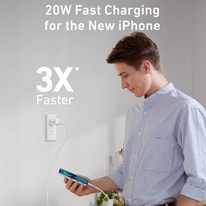
Anker 511 Operation Guide
Files 1
Anker 711 User Manual

Reviews 0
The good, the bad, and the brutally honest.Average Rating


Discussions 0
Thoughts, takes, and hot debates.Awards 0
Only the best made it here.Collections 0
Treasures You’ve picked. No fluff, all fun.More Chargers 0
Unlock more awesome finds.Other Anker Chargers 49

Other Anker Chargers 43